
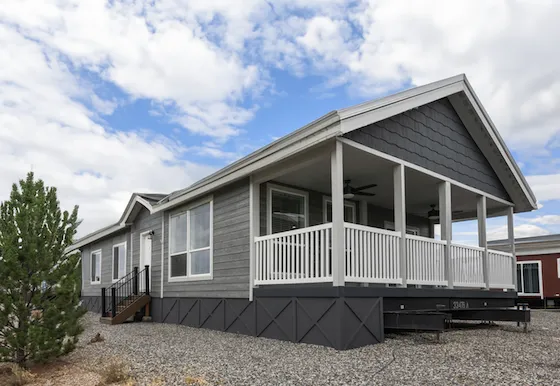
Manufactured homes can create exciting opportunities for buyers who want an affordable path to homeownership or a strategic way to expand their real estate goals. Whether you are purchasing a manufactured home as a primary residence, looking at a 3- to 4-unit property, or considering a manufactured home as an investment property, understanding financing options, loan-to-value (LTV) limits, and property requirements can help you move forward with confidence.
At The Wiley Group LLC, we work with borrowers every day to help them understand what may be possible and how to position themselves for success. If you want guidance tailored to your scenario, contact The Wiley Group LLC at 281-741-8766 or mwiley@thewileygroupllc.com. You can also reach out through lonestarlending.net for specific details. Our NMLS ID is 1948378.
Why Manufactured Home Financing Is Different
Manufactured home financing often comes with additional guidelines that do not always apply to traditional site-built homes. Lenders may review the home's age, foundation, title status, size, occupancy, and overall condition before determining available financing options. In many cases, homes that are permanently attached to land and legally classified as real property may qualify for broader mortgage options than homes considered personal property.
This is why buyers should not assume every manufactured home will qualify the same way. The right financing strategy depends on both the property and the borrower.
Financing a Manufactured Home as a Primary Residence
If you plan to live in the home as your primary residence, you may have access to the most flexible financing options available for manufactured housing. Owner-occupied financing often comes with higher allowable LTVs, lower down payment possibilities, and more program choices than non-owner-occupied scenarios.
Conventional Financing for Primary Residences
Conventional loans may be available for eligible manufactured homes that meet current title, appraisal, and foundation requirements. For qualified borrowers, financing may allow relatively high LTVs on one-unit owner-occupied manufactured homes, though exact limits depend on current guidelines and the property's characteristics.
- One-unit primary residence financing may allow higher LTV options than second home or investment transactions
- Borrowers with stronger credit, stable income, and sufficient reserves may have access to more favorable financing structures
- Single-wide and multi-wide homes may be treated differently depending on the loan program and investor guidelines
In many cases, conventional financing for a one-unit manufactured primary residence may be more flexible than borrowers expect, especially when the home is newer, well-maintained, and properly attached to a permanent foundation. Contact lonestarlending.net for specific details based on your scenario.
FHA, VA, and USDA Options
Government-backed financing may also create strong opportunities for eligible borrowers purchasing a manufactured home as a primary residence.
- FHA loans: FHA financing may offer lower down payment options for eligible owner-occupied manufactured homes, which can help borrowers who want to preserve cash at closing.
- VA loans: Eligible veterans and service members may benefit from financing options that can reduce upfront cash requirements for qualifying manufactured homes.
- USDA loans: Buyers purchasing in eligible rural areas may find USDA financing especially attractive when the home and location meet program standards.
These options can be powerful, but every program has its own rules regarding occupancy, foundation, appraisal, title conversion, and property eligibility. That is why it is smart to contact lonestarlending.net for specific details before you shop.
Primary Residence LTV and Down Payment Expectations
For primary residence purchases, LTV can often be more favorable than in other occupancy categories. Depending on the loan program and borrower qualifications, buyers may find options that support lower down payments than would typically be available for second homes or investment properties.
However, lenders may still evaluate:
- Credit score and overall credit history
- Debt-to-income ratio
- Employment and income stability
- Cash reserves
- Foundation certification when required
- Proof that the home is titled and classified properly
The stronger your file, the more options you may have. A pre-qualification can help identify where you stand before you make an offer.
Purchasing 3- to 4-Unit Manufactured Properties
Financing a 3- to 4-unit manufactured property is generally more specialized than financing a one-unit home. These scenarios may appeal to borrowers who want to occupy one unit and use rental income from the others, or to buyers exploring income-producing property opportunities. Because these transactions can involve more complexity, lender requirements are often tighter.
Owner-Occupied 3- to 4-Unit Manufactured Properties
If you plan to live in one of the units, some loan programs may consider the property owner-occupied, but LTV limits are often lower than for a one-unit primary residence. This means you should generally expect a larger down payment, more documentation, and a more detailed underwriting review.
- LTV for 3- to 4-unit properties is often lower than one-unit owner-occupied financing
- Reserve requirements may increase as unit count increases
- Rental income from other units may help with qualification if it is documented according to program rules
- Appraisal, marketability, and comparable sale requirements may be stricter
Even when the borrower occupies one unit, manufactured multi-unit properties can be subject to tighter investor overlays and more conservative property review. Contact lonestarlending.net for specific details if you are exploring this type of purchase.
LTV and Qualification Considerations for 3- to 4-Unit Properties
Because unit count increases risk from a lender's perspective, maximum LTV usually becomes more conservative. Borrowers should be prepared for:
- A larger down payment than a one-unit primary residence would typically require
- Additional post-closing reserves
- Detailed income, asset, and rental documentation
- Close review of the property's title, condition, setup, and marketability
This is one area where a pre-qualification can make a major difference. Understanding your numbers early can help you target properties that fit realistic financing guidelines.
Financing Manufactured Homes as Investment Property
Manufactured homes can also be considered for investment purposes, but investment property financing is usually the most conservative category. Since lenders typically view non-owner-occupied properties as carrying more risk, borrowers should expect lower maximum LTVs, stronger reserve requirements, and more detailed qualification standards.
What Borrowers Should Expect
When purchasing a manufactured home strictly as an investment property, financing may involve:
- Lower maximum LTV than owner-occupied purchases
- Down payment 3 to 5%
- Minimum credit score of 610
- Appraisal and property condition requirements
Some financing sources may also limit or exclude certain manufactured housing types, especially if the property is not permanently affixed or does not meet real property requirements. For this reason, not every manufactured home will be a fit for investment financing.
Rental Income and Cash Flow Review
Lenders may also look closely at the expected rental income, market rent, and the borrower's ability to support the payment. Depending on the program, only a portion of projected rental income may be used for qualification. Documentation, lease analysis, and appraisal support can all play a role.
If your goal is to build wealth through manufactured housing, getting clear answers up front is essential. Contact lonestarlending.net for specific details about current investment property options.
Key Requirements That Can Affect Financing Approval
No matter how you plan to use the property, several issues can strongly influence financing eligibility and LTV options:
1. Age, Size, and Condition
Older or smaller homes, or homes in weaker condition, may face tighter restrictions.
2. Occupancy Type
Primary residence financing is usually more flexible than second home or investment property financing.
3. Unit Count
As the number of units increases, underwriting and LTV expectations often become more conservative.
Why a Pre-Qualification Matters
Manufactured home financing is not one-size-fits-all. A pre-qualification can help you understand which loan paths may fit your goals, how much flexibility you may have on down payment, and whether the property you are considering is likely to meet lender standards.
A pre-qualification may help clarify:
- Which occupancy types may be eligible
- Estimated LTV and down payment expectations
- Likely reserve requirements
- Documentation you may need
- Potential property issues to watch for before making an offer
Take the Next Step with lonestarlending.net
If you are thinking about financing a manufactured home as a primary residence, a 3- to 4-unit property, or an investment property, now is the time to get answers specific to your goals. The Wiley Group LLC can help you review your options, understand LTV expectations, and identify what may be possible before you move forward.
For specific details, contact lonestarlending.net today. You can also connect with The Wiley Group LLC at 281-741-8766 or mwiley@thewileygroupllc.com for guidance tailored to your situation.
Ready to get started? Visit lonestarlending.net for a free, no-obligation pre-qualification with a soft credit pull that will not affect your credit. It is a simple way to explore your options, understand your buying power, and take the next step with confidence.